
Commercial Solar Behind-the-Meter Net Metering Made Simple

Join Brightwell CEO Tony Capucille and Director of Advocacy Nate Bauer as they unpack how impact investors fuel real projects that benefit nonprofits while delivering meaningful financial outcomes.
Commercial Solar Behind-the-Meter Net Metering Made Simple
Commercial solar power systems are an excellent way for businesses to save money on their energy bills while contributing to a cleaner environment. One of the key components that makes this possible is “behind-the-meter net metering.” In simple terms, let’s explore how commercial solar behind-the-meter net metering works.
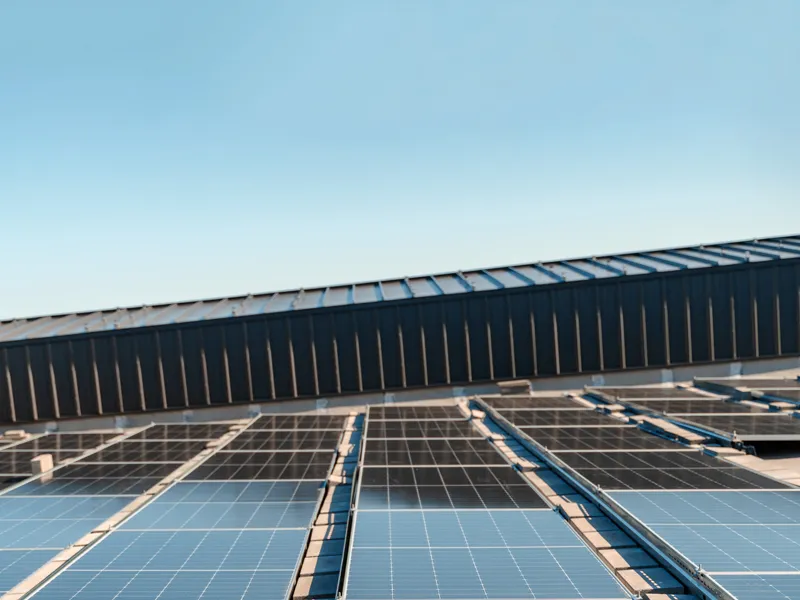
- The Solar Panels: Imagine your business installs solar panels on its rooftop or property. These solar panels work like giant energy harvesters, soaking up sunlight and converting it into electricity—they’re like your very own power plants.
- Generating Electricity: When the sun shines, your solar panels get to work, generating electricity. This power can be used to run your business’s lights, machines, computers, and more. It’s like getting free energy from the sun.
- Power Needs vs. Solar Production: Throughout the day, your business will have varying energy needs. When the sun is out, your solar panels produce electricity to help meet those needs. But what happens when the sun goes down or when your energy needs exceed what the panels generate?
- Two-Way Meter: That’s where the “two-way meter” (or in some cases, a second meter) comes into play. This special meter, installed at your business, measures the electricity you consume and the surplus electricity your solar panels produce.
- Sending Excess Electricity Back: Sometimes your solar panels generate more electricity than you use. When this happens, the extra power flows back into the electrical grid, essentially being shared with others. Think of it as your business acting as a mini power station for your community.
- Earning Credits: Your utility company keeps track of the excess electricity your business sends back to the grid. In return, they give you “credits” on your electricity bill—like energy tokens you can use later when you need more electricity than your panels generate.
- Using Your Credits: During times when your solar panels aren’t producing electricity, such as at night or on cloudy days, your business can draw energy from the grid. Instead of paying for this energy immediately, you can use the credits you’ve earned to help cover the costs.
- Monthly Electricity Bill: At the end of the month, your utility company sends you a bill. They check how much electricity your business used and how many credits you earned. If you used more electricity than you produced, you’ll pay the difference. But if you have leftover credits, they often roll over to the next month.
- Annual True-Up: For some utilities, there may be an annual “true-up.” In these situations, the utility company reviews your account, taking into account all the credits and energy use for the entire year. If you have extra credits, they may even reimburse you for the surplus energy.
In a nutshell, commercial solar behind-the-meter net metering is a fantastic way for businesses to save on electricity costs. Your solar panels generate clean and cost-effective electricity, and any excess power is shared with the grid. In return, you receive credits on your bill, which can be used to cover future electricity needs.
This process not only helps your business save money but also reduces its carbon footprint and reliance on fossil fuels. It’s a win-win situation and a straightforward way for your business to benefit from solar power while contributing to a cleaner and more sustainable future.
Perspectives on modern operations and smart growth.


Let’s chat to see how we can unlock new opportunities for impact, together.