
Escalating Energy Costs: Nonprofits Feel the Pinch

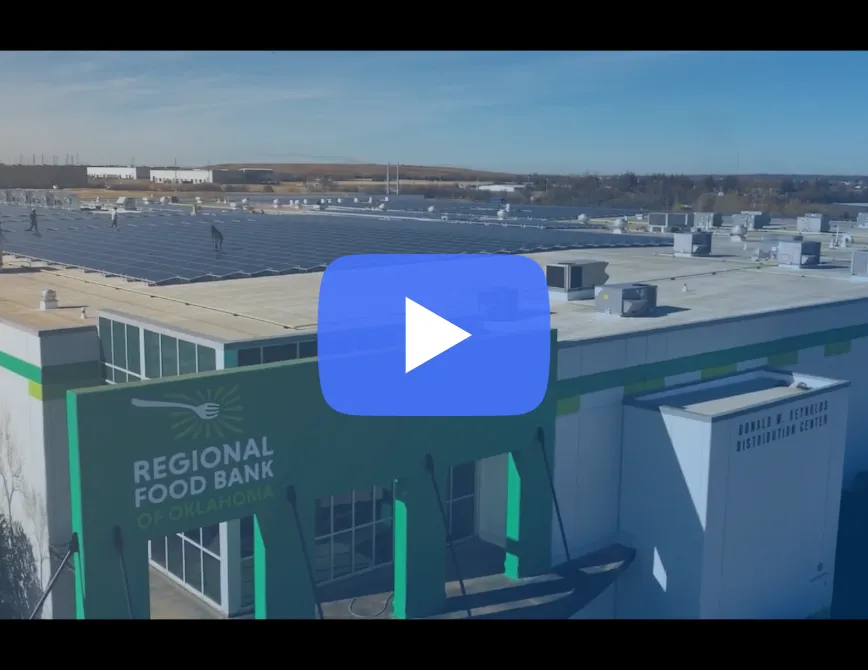
See how solar savings free resources for mission-critical work, helping the Regional Food Bank strengthen operations, stabilize energy costs, and reinvest more dollars into serving families.
Escalating Energy Costs: Nonprofits Feel the Pinch
Energy costs are an increasingly significant component of nonprofit operating expenses, and the situation is poised to worsen over time. In the United States, the upward trajectory of energy expenses has been a concern for nonprofits, which operate with limited budgets and strive to direct as much funding as possible toward their core missions.
Over the past three years, the United States has witnessed a steady increase in energy costs. According to data from the U.S. Energy Information Administration (EIA), electricity prices have risen significantly during this period—by more than 20% in parts of the country. These consistent hikes have put substantial pressure on nonprofit operating expenses.
Nonprofits often rely on funding from sources such as grants, donations, and fundraising efforts. Rising energy costs not only reduce the resources available for fulfilling their missions but also introduce new financial uncertainty into operations. As this trend continues, nonprofits face a dual challenge: allocating more of their limited budgets to cover energy-related expenses while still balancing financial commitments and advancing their core objectives.
The implications of this trend are evident in nonprofit budgets, where a growing portion is now designated to cover energy expenses. In a survey conducted by the Nonprofit Finance Fund, nearly 70% of nonprofit organizations in the United States reported that energy costs represent a considerable share of their operating budgets. This reality comes at a time when demand for nonprofit services is increasing, further straining financial resources.
To navigate this challenging landscape, nonprofits are actively seeking solutions to mitigate the impact of rising energy costs. Energy-efficient practices and technologies—such as solar energy—have emerged as viable strategies. Solar power, in particular, offers nonprofits the opportunity to reduce energy expenses while also supporting environmental sustainability and resilience.
By transitioning to solar energy, nonprofits can harness the power of the sun to generate clean and cost-effective electricity, reducing reliance on traditional energy sources. Although solar installations require initial investment, they offer tremendous potential for long-term savings. Those savings can then be reallocated to core programs and initiatives, enabling nonprofits to operate more efficiently and continue delivering critical services in their communities.
In conclusion, rising energy costs in the United States are undeniably impacting nonprofit budgets, making it essential for organizations to proactively address this challenge. By adopting energy-efficient technologies like solar power, nonprofits can reduce operating expenses, strengthen financial stability, and uphold their commitment to sustainability. This is an opportunity to secure long-term financial health while continuing to serve and support the communities that rely on them.
Perspectives on modern operations and smart growth.


Let’s chat to see how we can unlock new opportunities for impact, together.