
Forecasting the Future of Energy: Why Reliability and Affordability Are Becoming Strategic Priorities
Electricity costs are climbing nationwide. Learn what’s driving the surge, how policy and demand are shaping the market, and what informed leaders can do to prepare for what comes next.
Forecasting the Future of Energy: Why Reliability and Affordability Are Becoming Strategic Priorities
The United States is entering a period of rapid load growth, aging infrastructure, and rising energy prices that will redefine how communities, investors, and mission-driven organizations plan for the future. As demand from AI and data centers accelerates faster than new large-scale generation can be built, distributed energy systems are becoming a strategic tool for resilience, cost stability, and long-term competitiveness. Brightwell’s approach helps communities deploy reliable, fast-to-build energy assets while enabling investors to participate in projects that strengthen local infrastructure and reduce exposure to long-term volatility.
:contentReference[oaicite:1]{index=1}
Energy has entered a period of historic change. What used to be a predictable utility cost is becoming one of the most volatile line items for households, nonprofits, and businesses. Prices are increasing faster than many budgets can absorb. Grid constraints are more visible than ever. And the rapid growth of artificial intelligence is accelerating demand at a pace the power system was not built to sustain. Reports from leading journalists and government agencies point to the same trend: the United States is entering an era of rising load, increased infrastructure stress, and growing expectations for cleaner and more resilient supply.
:contentReference[oaicite:2]{index=2}
The Forces Behind Rising Energy Prices
For nearly two decades, U.S. electricity demand was relatively flat. That stability shaped everything from utility planning to rate design. Today the landscape looks very different, with electricity prices rising across the country, driven in part by accelerating demand from AI-related data centers, aging infrastructure, and regulatory delays.
:contentReference[oaicite:3]{index=3}
1. Infrastructure under pressure
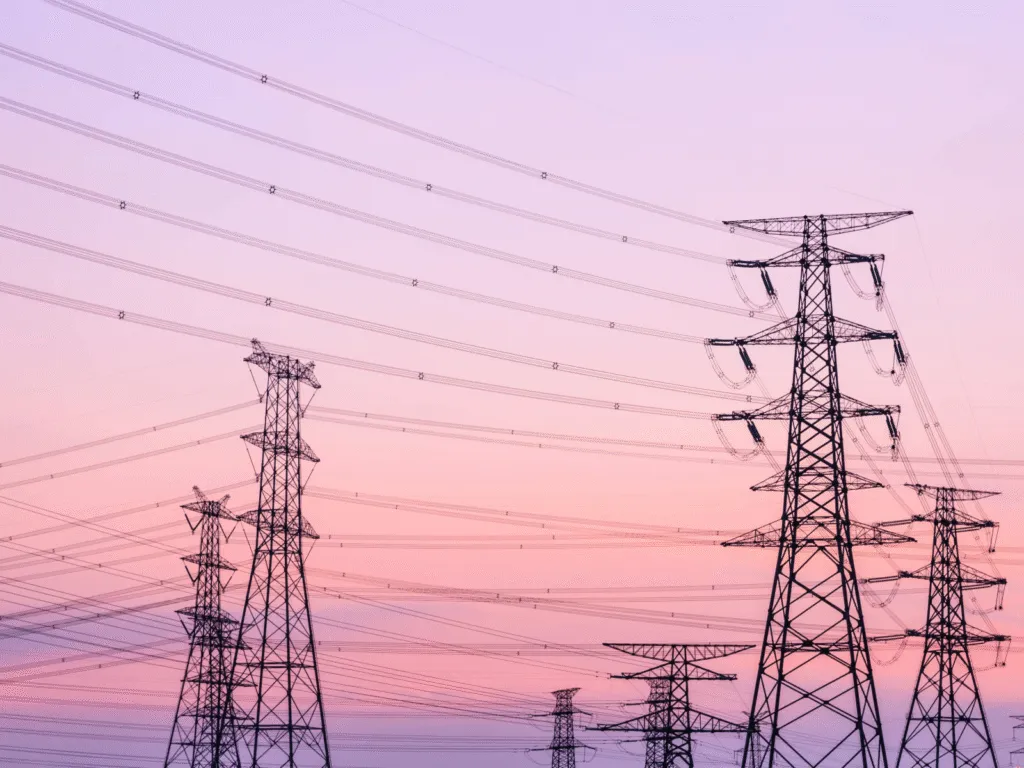
The national grid is strained by years of underinvestment, retiring plants, and the need for transmission upgrades. Without significant investment, many regions will face reliability challenges as demand grows.
:contentReference[oaicite:4]{index=4}
2. New load growth from AI and data centers
Electricity consumption by data centers has climbed significantly in recent years and is projected to continue rising sharply through the decade, adding pressure to the energy system.
:contentReference[oaicite:5]{index=5}
3. Regulatory and permitting delays
Building new large-scale power plants or transmission lines often takes many years. At the same time, plant closures reduce firm generation capacity. If replacement capacity continues to lag behind retirements and new load growth, the risk of outages will increase.
:contentReference[oaicite:6]{index=6}
The New Economics of Energy Capacity
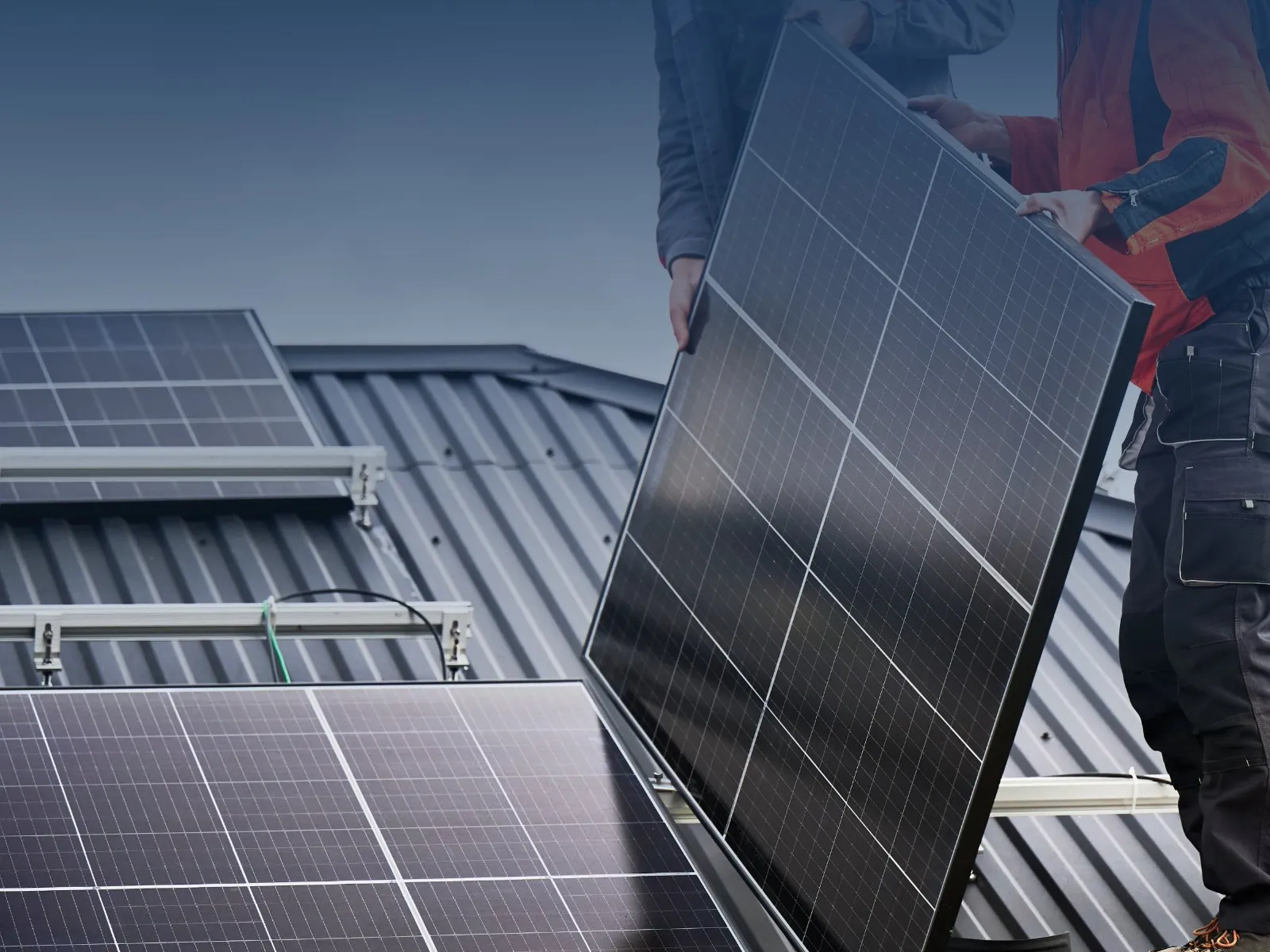
Today’s energy system is shaped by a powerful equation: load is growing faster than new large-scale generation and transmission can come online. That imbalance creates pressure on rates, reliability, and long-term planning. Large plants require long development timelines, while distributed energy systems like solar can be deployed on facilities and campuses in months, providing a hedge against volatility and aligning with federal incentives and tax-efficient investment strategies.
:contentReference[oaicite:7]{index=7}
What Will Shape the Next Five Years
Several variables stand out for the next five years:
1. AI and data center growth: Expansion continues, making regional load curves steeper and more uneven.
:contentReference[oaicite:8]{index=8}
2. Policy and permitting reform: Efforts to accelerate clean energy or streamline approvals could ease pressure on the grid, but outcomes are uncertain.
:contentReference[oaicite:9]{index=9}
3. Grid modernization: Investments in transmission, storage, and advanced technologies will determine how well the system adapts to higher load.
:contentReference[oaicite:10]{index=10}
4. Distributed energy adoption: Organizations are increasingly exploring on-site generation to stabilize budgets.
:contentReference[oaicite:11]{index=11}
5. Alignment of capital and incentives: Tax policy, investor appetite, and compliance requirements will influence scaling of small and mid-size energy projects.
:contentReference[oaicite:12]{index=12}
Brightwell’s Perspective and Approach
Brightwell supports an all-of-the-above approach to solving energy challenges. Large-scale infrastructure is essential, but communities also need solutions that can be deployed quickly and predictably. Brightwell’s model helps investors redirect tax liability into community-centered energy assets, conducting feasibility and economic analysis, structuring capital, and supporting organizations through every stage of project development and operations. Distributed solar and storage projects expand capacity, reduce local strain, and deliver long-term budget certainty for mission-driven institutions.
:contentReference[oaicite:13]{index=13}
Concluding Thoughts
Energy is becoming one of the most important financial variables for organizations and investors. If you are evaluating how energy costs or reliability may affect your mission, operations, or portfolio, this is the right moment to explore on-site generation or other distributed energy solutions. Consider where your organization may benefit from greater predictability, how tax policy may support long-term investment, and which partners can help you navigate these decisions.
:contentReference[oaicite:14]{index=14}
Perspectives on modern operations and smart growth.


Let’s chat to see how we can unlock new opportunities for impact, together.