
From Tax Liability to Tax Strategy: Using the ITC to Build Wealth

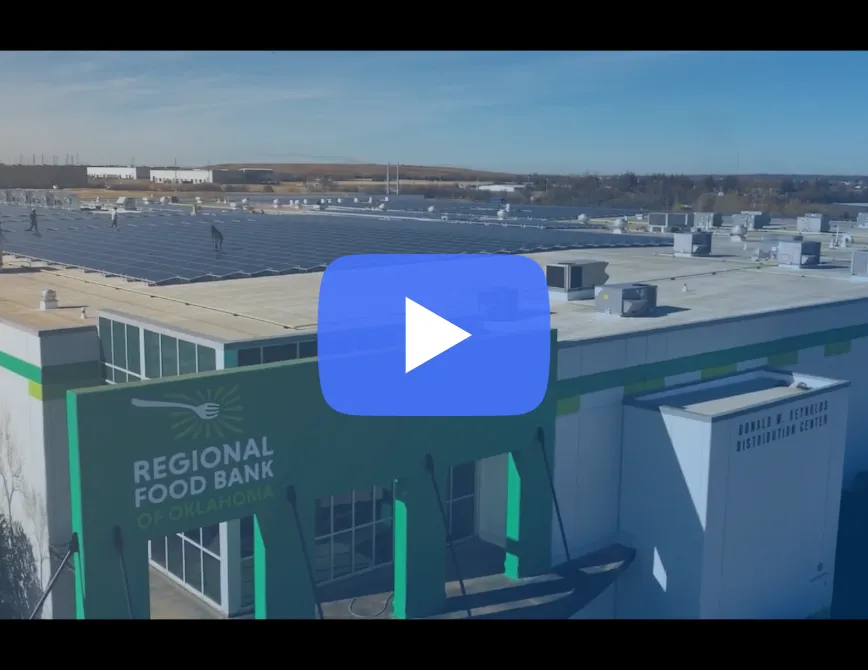
Join Brightwell CEO Tony Capucille and Director of Advocacy Nate Bauer as they unpack how impact investors fuel real projects that benefit nonprofits while delivering meaningful financial outcomes.
From Tax Liability to Tax Strategy: Using the ITC to Build Wealth
Key Takeaways: This article explores how investors can leverage the federal Investment Tax Credit (ITC) through direct ownership of solar and clean energy projects—avoiding complex financial structures that dilute returns. It outlines three common models used by Brightwell, ranging from long-term income to fast capital redeployment, and emphasizes that simple structures lead to greater clarity, control, and impact. Investors can match project types to their specific financial goals—whether that’s short-term payback, long-term yield, or a balanced middle path.
Once an investor understands the tax advantages available through the federal Investment Tax Credit (ITC) under Section 48 of the IRS Code, it becomes hard to ignore them. These incentives—designed to accelerate our nation’s transition toward energy independence—are among the most aggressive and rewarding in the tax code. The question is no longer whether to participate, but how to choose the right assets.
Solar projects are the best-known beneficiaries of these credits, but they are far from the only option. Geothermal, storage, and other auxiliary technologies also qualify, creating multiple avenues for impact investing. Many of these incentives will remain in place through 2038 for certain technologies, giving investors a long runway to participate. Once you understand how these projects work, the next step is selecting a strategy that aligns with your financial objectives.
Keeping It Simple: Why Structure Matters
Many solar investments today are packaged in highly complex structures. Flip partnerships, tax credit transfer deals, and financial-engineered vehicles can make projects hard to understand—and harder to trust. These structures often erode the investor’s benefit. The more layers of legal work, financing, and intermediaries, the more costs and fees are extracted before your capital ever touches the project.
Occam’s Razor applies: the simplest model is almost always best. For an investor with a tax liability, directly purchasing a solar asset provides the cleanest path. You retain 100% of the tax credit, depreciation, and income associated with the system, with no intermediaries taking a cut. Simplicity isn’t just easier to understand—it reduces risk, cost, and uncertainty. You own and control the asset outright.
Choosing the Right Asset Type
Once you’ve committed to a direct-ownership model, the next decision is which type of asset and agreement structure best fits your objectives. At Brightwell, we typically see three primary models:
1. Long-Term Agreements with Stable Organizations
The classic model involves a long-term energy services agreement with a stable organization—think of a YMCA, food bank, or public school. These agreements often run 15–25 years, reflecting the organization’s stability and its desire to avoid any upfront capital expense.
In this scenario, the investor funds the full project cost—say, $750,000—building the system on the organization’s property. The nonprofit receives immediate energy savings, while the investor earns quarterly payments over the life of the agreement.
The payoff is long-term cash flow. But because tax credits and bonus depreciation are realized in Year 1, an investor typically recoups 60–70% of the investment immediately. That upfront benefit dramatically increases the project’s Internal Rate of Return (IRR), even as the income is collected over time. These projects often fully return investor capital in 4–6 years, after which the income stream continues.
2. Projects with Prepayments of the Service Agreements
At the other extreme, some nonprofits have capital from campaigns, grants, or building funds that they want to deploy to lower their long-term energy costs. In these cases, the organization may prepay part of its energy services agreement.
For example, the investor might fund $750,000 while the YMCA contributes $450,000 at installation. The investor receives this upfront Energy Management Service Agreement (EMSA) payment as a reserve while still claiming the 30% tax credit and bonus depreciation benefits. In many cases, this makes the investor’s net return positive in Year 1. These projects deliver a lower Return on Investment (ROI) but fully return capital within 12 months, allowing the investor to redeploy funds quickly while still making a large community impact.
3. Hybrid Models
Some projects fall somewhere in between. A nonprofit might make a partial reserve payment upfront and opt for a shorter agreement period—say 6 to 12 years—allowing it to increase its savings while reducing the investor’s capital exposure.
This middle ground creates flexible opportunities for investors who want a blend of faster payback (2–3 years) with some ongoing income.
Matching Projects to Goals
Organizations vary: some have capital to contribute, others do not. Investors vary too: some seek steady, long-term income with a higher ROI; others prefer a quick return at a lower ROI; and some want something in between.
At Brightwell, our role is to match investors with projects that align with their objectives. By keeping structures simple and transparent, we make it possible for accredited investors to directly own assets that deliver meaningful tax advantages, dependable returns, and a visible impact on their local communities.
FAQ
1. Why is direct ownership better than flip partnerships or credit transfer deals?
Direct ownership allows you to keep 100% of the tax credit, depreciation, and income without paying fees to financial intermediaries. Complex structures like flip partnerships often erode investor benefits through legal, administrative, and carry costs that reduce your effective return.
2. What kind of returns can I expect from these projects?
It depends on the structure. Long-term agreements can fully return capital in 4–6 years and produce steady income after that. Prepaid EMSA projects may return capital in under 12 months with a lower overall ROI, while hybrid models offer a blend of near-term liquidity and ongoing cash flow—typically recovering 60–70% in Year 1 through tax benefits alone.
3. How does Brightwell help match investors to the right project?
Brightwell works closely with both investors and nonprofits to align capital structure, term length, and income expectations. We keep the process simple and transparent, giving investors access to institutional-quality projects designed to fit their personal tax strategy and impact goals.
Perspectives on modern operations and smart growth.



Let’s chat to see how we can unlock new opportunities for impact, together.