
Illuminating Solutions: How Rooftop Solar Energy Can Help Businesses Tackle Rising Energy Costs
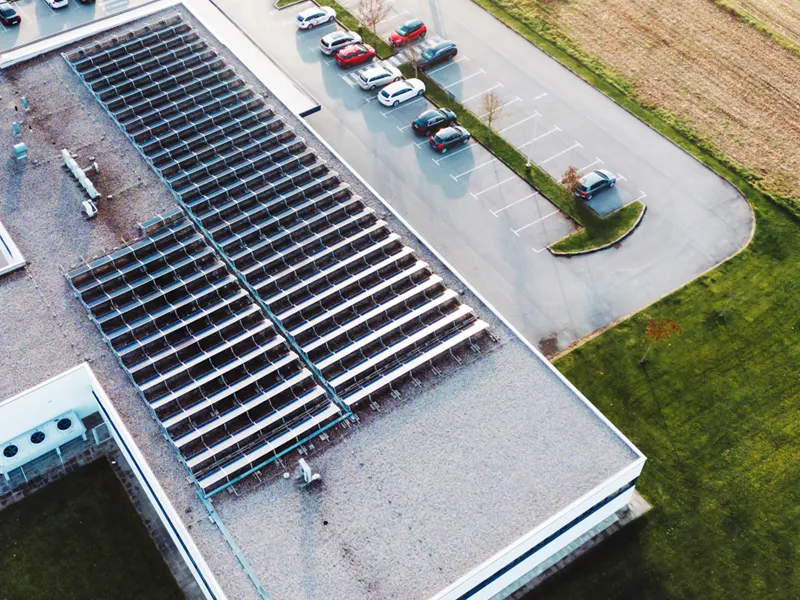

Electricity costs are climbing nationwide. Learn what’s driving the surge, how policy and demand are shaping the market, and what informed leaders can do to prepare for what comes next.
Illuminating Solutions: How Rooftop Solar Energy Can Help Businesses Tackle Rising Energy Costs
Businesses across the United States are grappling with the constant challenge of rising energy costs. The increasing price of electricity is a significant concern for both small and large enterprises, affecting their bottom lines and sustainability goals. In this blog post, we will explore the reasons behind the surge in energy costs for businesses and discuss how rooftop solar energy can serve as a cost-effective and eco-friendly solution to alleviate these financial pressures.
The Escalation of Energy Costs for Businesses
- Demand-Supply Dynamics: The ever-increasing demand for electricity, coupled with periods of high energy consumption, places pressure on the energy grid. This heightened demand can lead to surges in electricity prices, especially during peak usage times.
- Aging Infrastructure: Many regions in the United States have aging energy infrastructure. The maintenance, repair, and upgrading of these systems result in higher operational costs for utilities, which are then passed on to consumers, including businesses.
- Fossil Fuel Dependency: Reliance on fossil fuels such as coal and natural gas can be costly. Fluctuations in global fuel markets and the expenses associated with extraction, processing, and transportation contribute to elevated energy prices.
- Environmental Regulations: Stricter environmental regulations require businesses to adopt cleaner and more sustainable practices. Compliance can lead to increased costs as companies invest in cleaner technologies or offset emissions.
- Grid Reliability: Maintaining a reliable and secure grid involves ongoing investments in infrastructure, cybersecurity, and resilience. These expenses, though essential, can result in higher electricity bills for businesses.
- Climate Change Impact: Extreme weather events and natural disasters can disrupt energy supply and distribution. Repair and maintenance costs following these events are often passed on to consumers.
How Rooftop Solar Energy Can Help Businesses
- Reduced Energy Costs: By generating their own electricity, companies can significantly lower their reliance on the grid, especially during peak demand periods when rates are highest.
- Stable Long-Term Costs: Solar panels have a lifespan of 25+ years and require minimal maintenance, allowing predictable long-term energy costs less affected by market fluctuations.
- Energy Independence: Rooftop solar grants businesses a degree of independence, reducing reliance on the grid during high-cost periods.
- Environmental Benefits: Solar energy is clean and renewable. Reducing fossil fuel reliance helps companies shrink their carbon footprint and support sustainability goals.
- Tax Benefits and Incentives: Federal and state incentives can significantly offset upfront installation costs.
- Depreciation Benefits: Programs like MACRS allow businesses to deduct a significant portion of solar installation costs from taxes.
- Net Metering: In many states, businesses can sell excess electricity back to the grid, reducing costs further or even generating credits.
- Energy Resilience: During outages or extreme weather, solar panels can continue generating electricity and support critical operations.
- Corporate Image Enhancement: Adopting clean energy strengthens brand reputation and demonstrates commitment to sustainability.
Case Study: IKEA's Solar Initiatives
IKEA has made a strong commitment to sustainability, including rooftop solar adoption. By installing solar panels across many of its U.S. locations, the company has significantly reduced energy costs and its carbon footprint—gaining both financial advantage and environmental leadership recognition.
Challenges and Considerations
While rooftop solar offers numerous benefits, businesses should be aware of potential challenges:
- Upfront Costs: Initial installation can be a barrier, though financing, loans, and leasing options can make solar more accessible.
- Installation and Maintenance: Professional installation and ongoing maintenance are essential for system efficiency and longevity.
- Available Roof Space: Roof size, condition, and orientation can impact feasibility and performance.
- Regulatory Environment: Policies and incentives vary by state, making it important to understand local regulations.
Conclusion
Rising U.S. energy costs continue to challenge business operations. Rooftop solar energy provides a powerful solution, offering cost reduction, stability, and sustainability. Combined with government incentives, tax benefits, and net metering programs, rooftop solar is not only a smart financial decision but also a meaningful commitment to a resilient and environmentally responsible future.
Perspectives on modern operations and smart growth.


Let’s chat to see how we can unlock new opportunities for impact, together.