
Investing in Resilience: Why Solar Needs a White Roof Partner
Join Brightwell CEO Tony Capucille and Director of Advocacy Nate Bauer as they unpack how impact investors fuel real projects that benefit nonprofits while delivering meaningful financial outcomes.
Investing in Resilience: Why Solar Needs a White Roof Partner
In the world of tax-advantaged impact investing, solar energy projects are a proven model. We’ve established how accredited investors can redirect tax dollars, through the combination of the Investment Tax Credit (ITC), 100 percent bonus depreciation, and predictable long-term income, into high-quality, real assets.
But the pursuit of maximizing return and impact never stops. The next frontier in project performance is not a new solar module or a next-generation inverter. It is a simple, foundational technology that has existed for decades: the roof.
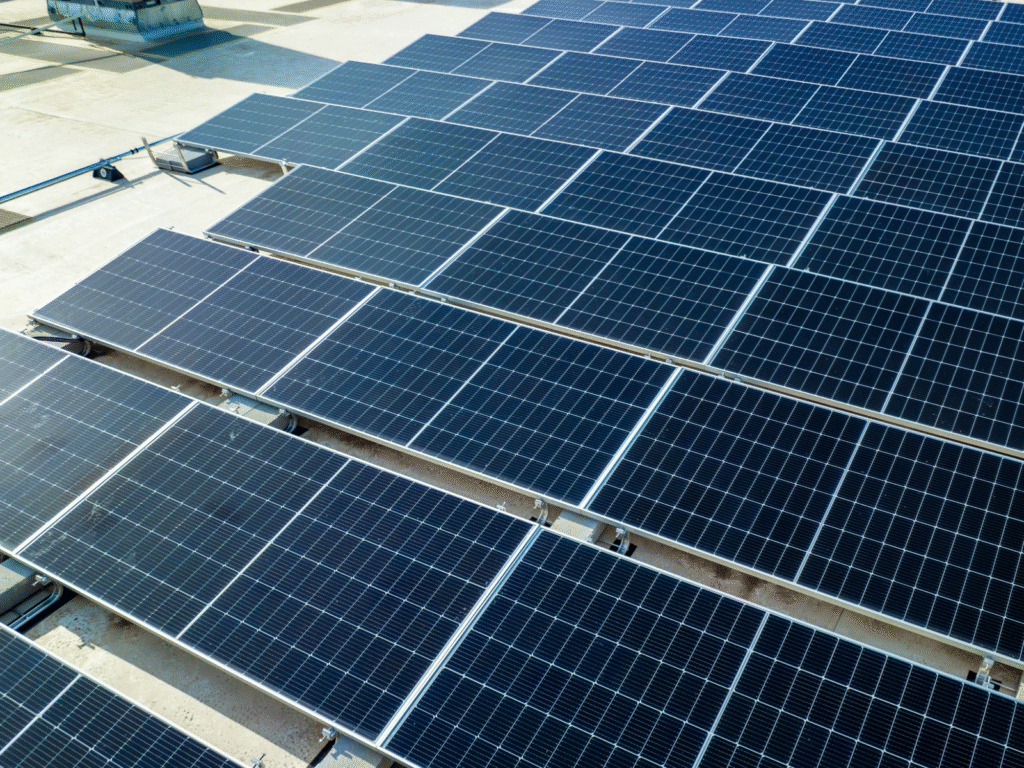
Specifically, we’re talking about high-reflectivity white roofing, commonly known as a “cool roof.” For any investor looking to optimize the financial, operational, and environmental performance of a commercial solar project, pairing it with a white roof is no longer optional. It is essential.
The Underrated Synergy: White Roofs and Solar
Serving as a CEO in the solar industry in 2025 has meant responding to a nonstop stream of questions. From President Trump’s inauguration on January 19 to his final executive order on August 15, solar has been squarely in the national spotlight. Headlines have swung from doom to renaissance, speculation to resolution—often within a single news cycle. And in an era driven by short-form content and viral clips, it’s easy to get whiplash: one moment it seems like the solar industry is collapsing; the next, it’s being heralded as essential.
At Brightwell, we don’t operate in the realm of noise. We engage in the process. Throughout this year, our team has spent time with representatives and senators in Washington, D.C.—sharing the real story of how solar creates jobs, powers communities, and puts tax policy to work on Main Street. I personally made my first trips to Capitol Hill, speaking directly with members of Congress from Oklahoma and other states to advocate for practical, grounded, bipartisan energy solutions.
1. Increased Solar System Efficiency and Power Output
Solar panels perform best when they are cool. On a traditional dark roof—such as asphalt or EPDM—surface temperatures can exceed 150°F. This heat directly reduces the efficiency of photovoltaic cells and lowers total lifetime energy production.
A high-reflectivity white roof can reduce rooftop temperatures by 50°F or more. This cooler microclimate beneath the array increases panel efficiency, improves total energy output, and supports a more stable, productive asset over its 25-plus-year life. Gains of 3 to 5 percent or more in energy production are common, and over decades these gains represent significant increases in long-term income.
2. Drastic Reduction in Building Cooling Costs
For nonprofits—YMCAs, churches, schools, food banks—reducing operating costs is essential. Solar cuts electricity bills, but a white roof addresses the second major cost driver: cooling.
Dark roofs absorb as much as 90 percent of solar radiation. White roofs reflect 80 percent or more, drastically reducing heat transfer into the building. This reduces HVAC runtime and lowers cooling energy demand before solar production is even considered. The combined effect creates a powerful, dual-savings model that enhances an organization’s financial resilience.
3. Enhanced Durability and System Longevity
Lower temperatures reduce thermal stress on both the solar array and the roof membrane. This increases system longevity, minimizes maintenance, and protects the investor’s long-term return.
For nonprofits, a roof replacement is often a dreaded capital expense. It diverts scarce dollars away from mission-critical programs, requires years of budgeting, and typically offers no return. Most solar installations also require a minimum roof life of at least 15 to 20 years.
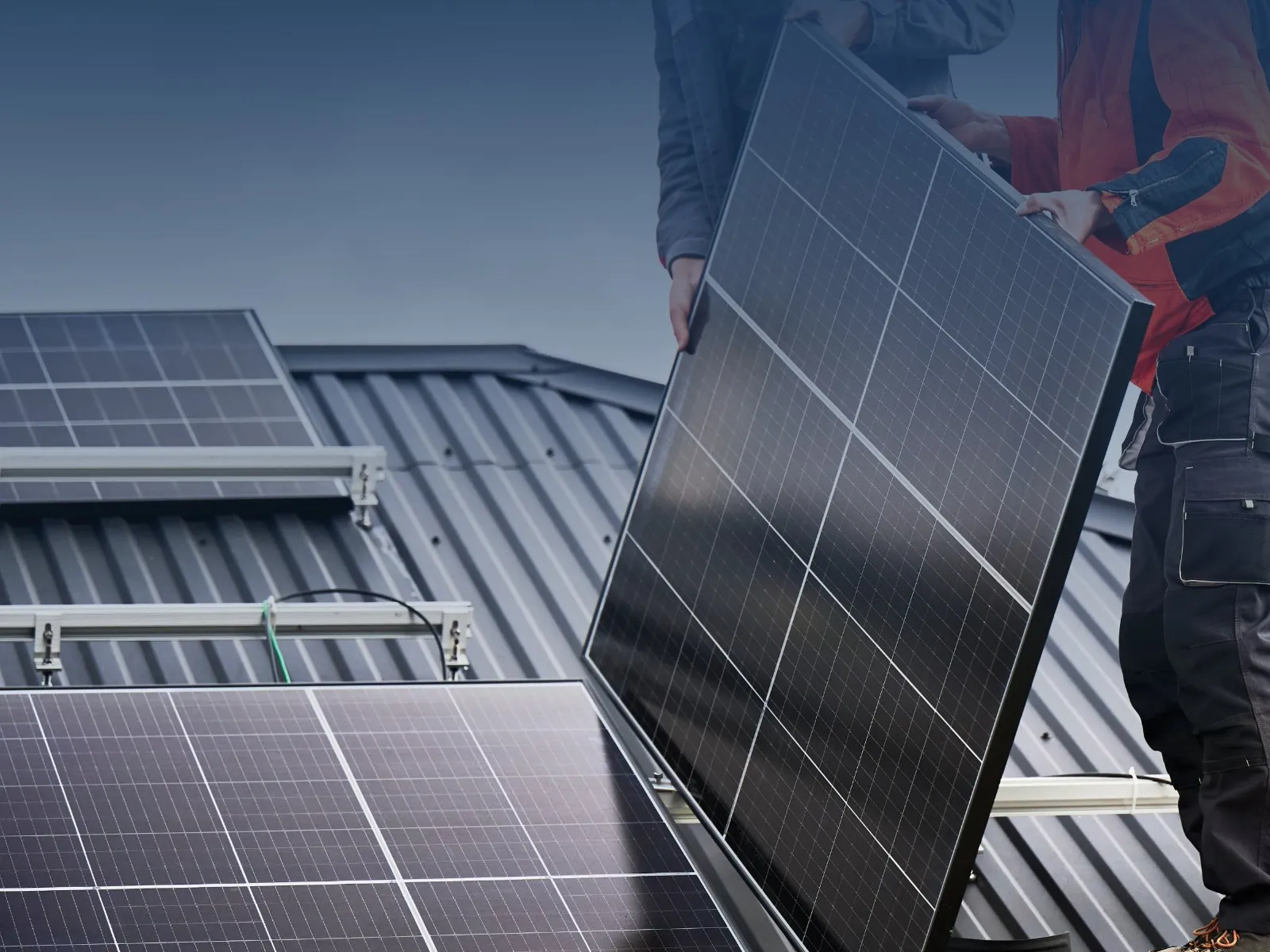
By integrating a white roof replacement into the solar project, we solve two challenges at once: we ensure structural integrity from day one and free trapped capital for nonprofits.
Brightwell’s Approach to Integrated Resilience
Brightwell’s model is built on delivering institutional-grade assets to accredited investors, which means maximizing value from every component of the project. When we identify a nonprofit partner with an aging roof, replacing it with a high-reflectivity white membrane is not simply an enhancement. It is a necessity.
This approach creates:
- Financial resilience through lower operating costs and predictable budgets.
- Environmental resilience through reduced energy consumption and lower carbon emissions.
- Operational resilience through enhanced system durability and asset longevity.
The result is a stronger nonprofit, a more productive investment, and a long-term legacy of community renewal.
The window to maximize federal incentives remains open through 2030. The sooner investors participate in these integrated projects, the sooner tax liability can be converted into lasting value for communities.
FAQ
Does the white roof count for the solar tax credit (ITC)?
In many cases, yes. If the roof replacement is legally and structurally integrated into the solar system—supporting its efficiency or longevity—it can typically be included in the cost basis for both the ITC and depreciation. Brightwell structures documentation to maximize compliant inclusion.
How much does a white roof save the nonprofit?
Savings are twofold: the solar array reduces electricity costs, and the white roof reduces cooling demand. Studies show cool roofs can cut annual cooling energy use by 10 to 50 percent depending on climate, building design, and insulation.
Why do institutional investors care about the roof?
Institutional investors focus on long-term performance, reliability, and risk mitigation. A new white roof enhances structural integrity, improves power production, minimizes maintenance, and strengthens the solar asset’s long-term value.
Perspectives on modern operations and smart growth.


Let’s chat to see how we can unlock new opportunities for impact, together.