
Setting a Bright Example: How Rooftop Solar on Schools Inspires Future Generations in the United States
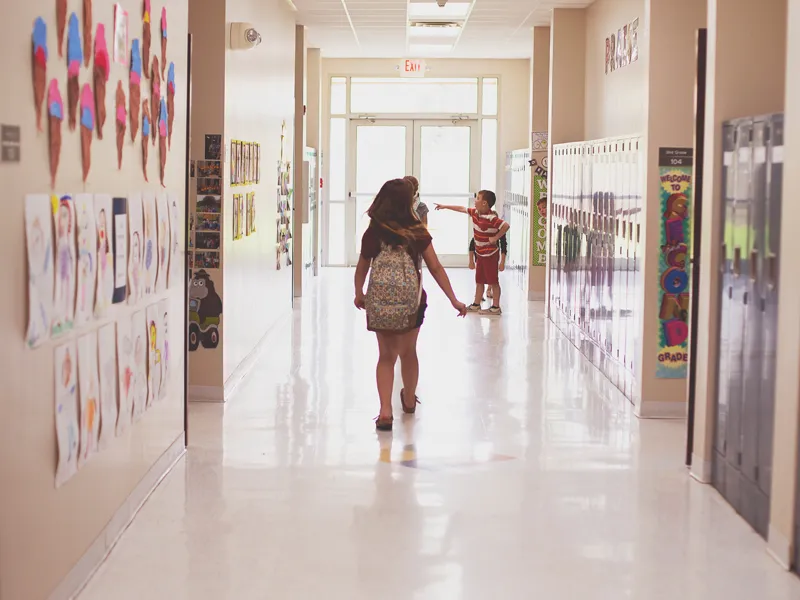

Discover how a forward-thinking school put solar to work, cutting operating costs while supporting students, facilities, and long-term campus priorities with smarter energy planning.
Setting a Bright Example: How Rooftop Solar on Schools Inspires Future Generations in the United States
Distributed generation solar (commonly referred to as rooftop solar) installations are becoming increasingly common across the United States as a sustainable energy solution. While their environmental and economic benefits are well-documented, it's essential to recognize another valuable aspect of solar installations on school buildings—the powerful educational impact they have on students. Installing solar panels on school rooftops sets a forward-looking example for children, teaching them about renewable energy, environmental stewardship, and a sustainable future. In this article, we will explore how rooftop solar on schools is shaping the mindset of future generations in the United States.
Renewable Energy Education
One of the most apparent benefits of solar installations on school rooftops is the opportunity for students to learn about renewable energy. By having solar panels on-site, schools can provide a real-life classroom where students can see how solar energy works and understand its potential. They can learn about photovoltaic technology, energy conversion, and the environmental benefits of harnessing the power of the sun. This hands-on experience goes beyond textbooks, making renewable energy an accessible and tangible subject for students.
Environmental Awareness
Rooftop solar installations on schools serve as constant reminders of the importance of environmental conservation. When children see solar panels on their school's roof, they develop a greater appreciation for the environment and the actions needed to protect it. They begin to grasp the concept of reducing carbon emissions and minimizing the ecological footprint, instilling a sense of responsibility for a greener planet.
- Teaching Financial Literacy: Solar installations are not only about clean energy but also about saving money. Schools that invest in solar panels can allocate the money saved on energy bills to other educational resources. By explaining how these financial savings work, schools can introduce students to concepts of financial literacy and responsible financial management—vital skills for their future.
- Promoting STEM Education: Solar installations offer excellent opportunities for integrating STEM (Science, Technology, Engineering, and Mathematics) education into the curriculum. Students can engage in projects related to solar energy, such as measuring panel efficiency, exploring energy storage, and designing solar-powered devices, helping them build critical thinking and problem-solving skills.
- Hands-On Learning: Rooftop solar systems provide students with hands-on learning experiences. They can monitor system performance, collect energy production data, and analyze real results. This practical exposure strengthens understanding of science and technology concepts and can inspire interest in renewable energy careers.
- Inspiring Future Leaders: When students see their schools embracing sustainability, they are more likely to envision themselves as future leaders in renewable energy or as advocates for clean energy solutions, shaping a generation committed to sustainability.
- Community Engagement: Solar installations often extend beyond the classroom, becoming community projects that involve students, parents, educators, and local residents, fostering shared responsibility and unity around sustainability goals.
- Educational Partnerships: Rooftop solar installations create opportunities for schools to partner with utilities, solar developers, and environmental organizations, providing programs, internships, and career exposure for students.
- Long-Term Benefits: The lessons learned from rooftop solar installations can influence students well beyond their school years, encouraging environmentally conscious choices and advocacy for renewable energy throughout their lives.
Conclusion
Rooftop solar installations on schools play a pivotal role in setting a forward-looking example for children in the United States. They provide students with opportunities to engage with renewable energy firsthand, fostering environmental awareness, financial literacy, and enthusiasm for STEM education. Beyond the classroom, these installations promote community engagement, inspire future leaders, and instill a sense of responsibility for a greener, more sustainable planet. By investing in solar power, educational institutions are investing in the next generation, shaping a brighter and more sustainable future.
Perspectives on modern operations and smart growth.


Let’s chat to see how we can unlock new opportunities for impact, together.