
Solar, Change, and the Power of Clarity
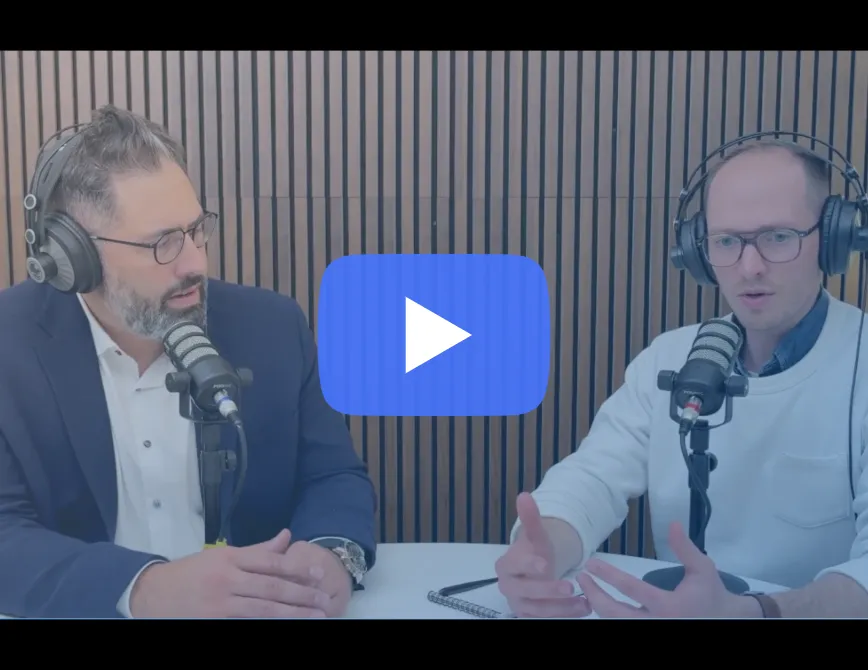
Join Brightwell CEO Tony Capucille and Director of Advocacy Nate Bauer as they unpack how impact investors fuel real projects that benefit nonprofits while delivering meaningful financial outcomes.
Solar, Change, and the Power of Clarity
Key Takeaways: This article explains how 2025’s legislative and regulatory changes—including H.R. 1 — The Lower Energy Costs Act and IRS Notice 2025-45—have reshaped the U.S. solar landscape. Despite political headlines, solar incentives remain a bipartisan anchor, now focused on small-scale, community-based projects under 1.5 MW. Brightwell has already adapted to the new rules, positioning itself and its investors to capitalize on a stable, clearly defined framework for the next phase of solar growth.
A Shifting Landscape
Serving as a CEO in the solar industry in 2025 has meant responding to a nonstop stream of questions. From President Trump’s inauguration on January 19 to his final executive order on August 15, solar has been squarely in the national spotlight. Headlines have swung from doom to renaissance, speculation to resolution—often within a single news cycle. And in an era driven by short-form content and viral clips, it’s easy to get whiplash: one moment it seems like the solar industry is collapsing; the next, it’s being heralded as essential.
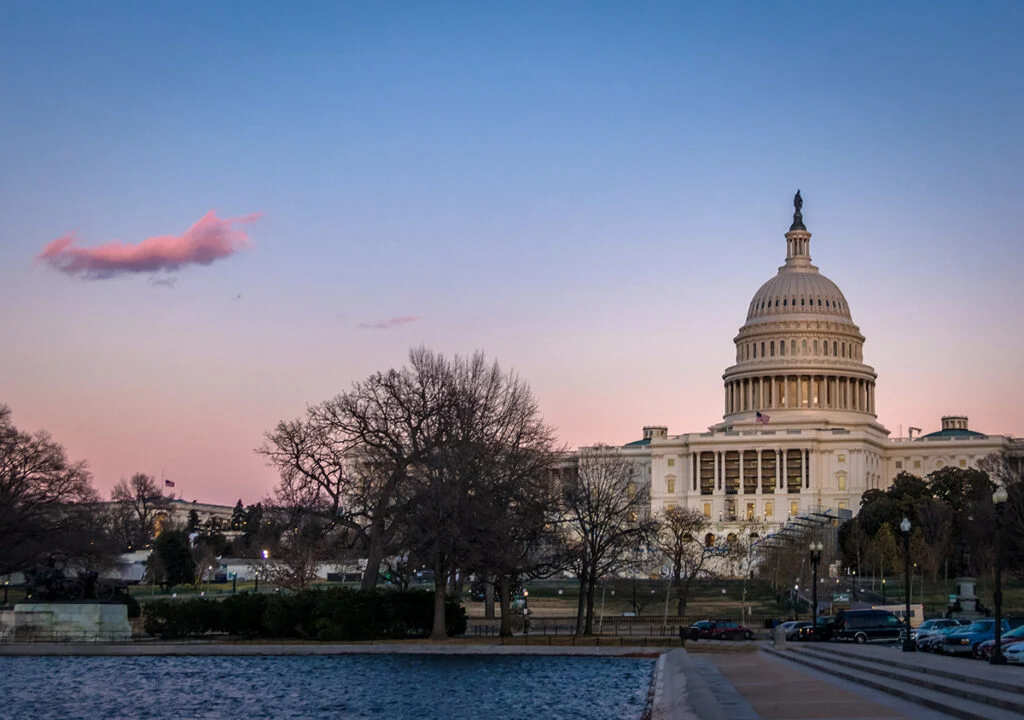
At Brightwell, we don’t operate in the realm of noise. We engage in the process. Throughout this year, our team has spent time with representatives and senators in Washington, D.C.—sharing the real story of how solar creates jobs, powers communities, and puts tax policy to work on Main Street. I personally made my first trips to Capitol Hill, speaking directly with members of Congress from Oklahoma and other states to advocate for practical, grounded, bipartisan energy solutions.
Change Is Not a Crisis—It’s the Norm
To many, this year’s developments in solar policy felt disruptive. To us, it felt familiar.
The solar Investment Tax Credit (ITC) has been in place since 2006 under 26 U.S. Code § 48. For most of its history, it was renewed in short, two-year increments—typically passed just before expiration—by presidents and Congresses of both parties.
President Biden extended the credit dramatically in 2022 through the Inflation Reduction Act (IRA) of 2022, which granted a 10-year extension and introduced key enhancements including energy justice bonuses and new tech-agnostic provisions like Sections 48E and 45Y.
In 2025, President Trump and a fully Republican Congress reaffirmed solar’s role by passing H.R. 1 — The Lower Energy Costs Act, which introduced reforms to Section 48E and clarified a new glide path for the transition to a post-incentive world. The administration’s final touch came on August 15, when the Department of the Treasury and IRS issued Notice 2025-45, clarifying the safe harbor rules for projects eligible under Section 48E.
Look closely and you’ll see a consistent pattern: while solar is often used as a partisan talking point, in practice, it has become a bipartisan policy anchor. Every president since 2006—Republican and Democrat—has signed extensions of the ITC into law. Why? Because an “all-of-the-above” energy strategy is the only path forward for a country with rising energy demand, diverse infrastructure, and economic pressures on both industry and households.
The 2025 Outcome: A Clear, Workable Framework
What emerged from this year’s legislative process is both fair and functional. The final safe harbor rules focus the incentive on distributed generation projects under 1.5 MW, favoring businesses and nonprofits. Mega-projects—particularly AI-driven data centers and hyperscale developments—are excluded unless they began construction before September 2, 2025, a reasonable cut-off for projects that should not rely on public subsidy.
The safe harbor provisions were shaped by:
- IRS Notice 2025-25 (issued July 4): outlining qualified energy property rules under Section 48E, replacing legacy ITC 48 for projects placed in service after January 1, 2025.
- Executive Order: President Trump’s July 7th directive on implementing bipartisan energy legislation, which included prioritization of distributed, small-scale generation in regulatory treatment.
For solar developers and investors, clarity is gold. With these notices now in place, we have final rules and timelines that are actionable and durable.
How Brightwell Responded
At Brightwell, we moved quickly. Our internal legal and tax teams assessed the impact of these changes immediately. We then validated our interpretation with two national CPA firms—including a published white paper co-authored with Cherry Bekaert—and received legal review from a top-tier renewable energy law firm.
The result: we built a clear framework to structure projects that qualify for safe harbor, maintain compliance, and generate lasting value. Our approach empowers both our companies and other Main Street solar developers to move forward with confidence during this final incentivized window.
Change Is Embedded in Solar—and That’s a Good Thing
Solar is no stranger to policy shifts. The difference between panic and progress is how you respond. Change doesn’t kill an industry—confusion does.
The reality is that every industry changes. The most successful ones adapt. Some shifts are indeed terminal—and when that happens, leaders must be honest and pivot quickly. But in other cases, like what we’ve seen with solar in 2025, change opens new opportunity. Once the rules are final, those who are prepared and nimble can move faster, serve better, and lead forward.
That’s where we are now.
At Brightwell, we’re not waiting for the dust to settle. We are moving forward—bringing our investors, nonprofit partners, and install partner networks with us into this new era. The rules are final. The foundation is solid. And the opportunity is real. In the end, clarity is opportunity. And we intend to lead with it.
FAQ
1. What are the key policy changes impacting solar investment in 2025?
The biggest shifts came from H.R. 1 — The Lower Energy Costs Act and the IRS’s Notice 2025-45, which clarified safe harbor rules for Section 48E projects. Together, they created a clear five-year path for distributed generation under 1.5 MW and excluded mega-projects like data centers that began after September 2, 2025.
2. Why is bipartisan support important for solar incentives?
While solar is often portrayed as partisan in headlines, every president since 2006—Democrat and Republican alike—has extended the Investment Tax Credit. This consistency reflects an “all-of-the-above” energy strategy and ensures that businesses and nonprofits can plan investments with confidence.
3. How is Brightwell responding to the new safe harbor rules?
Brightwell immediately assessed the new IRS guidance, validated its position with two national CPA firms and a top renewable energy law firm, and published a co-branded white paper with Cherry Bekaert. This positions Brightwell to lead investors and nonprofit partners confidently into the new era of solar development.
Perspectives on modern operations and smart growth.


Let’s chat to see how we can unlock new opportunities for impact, together.